


On this page
Midland Metropolitan University Hospital Accident and Emergency (A&E)
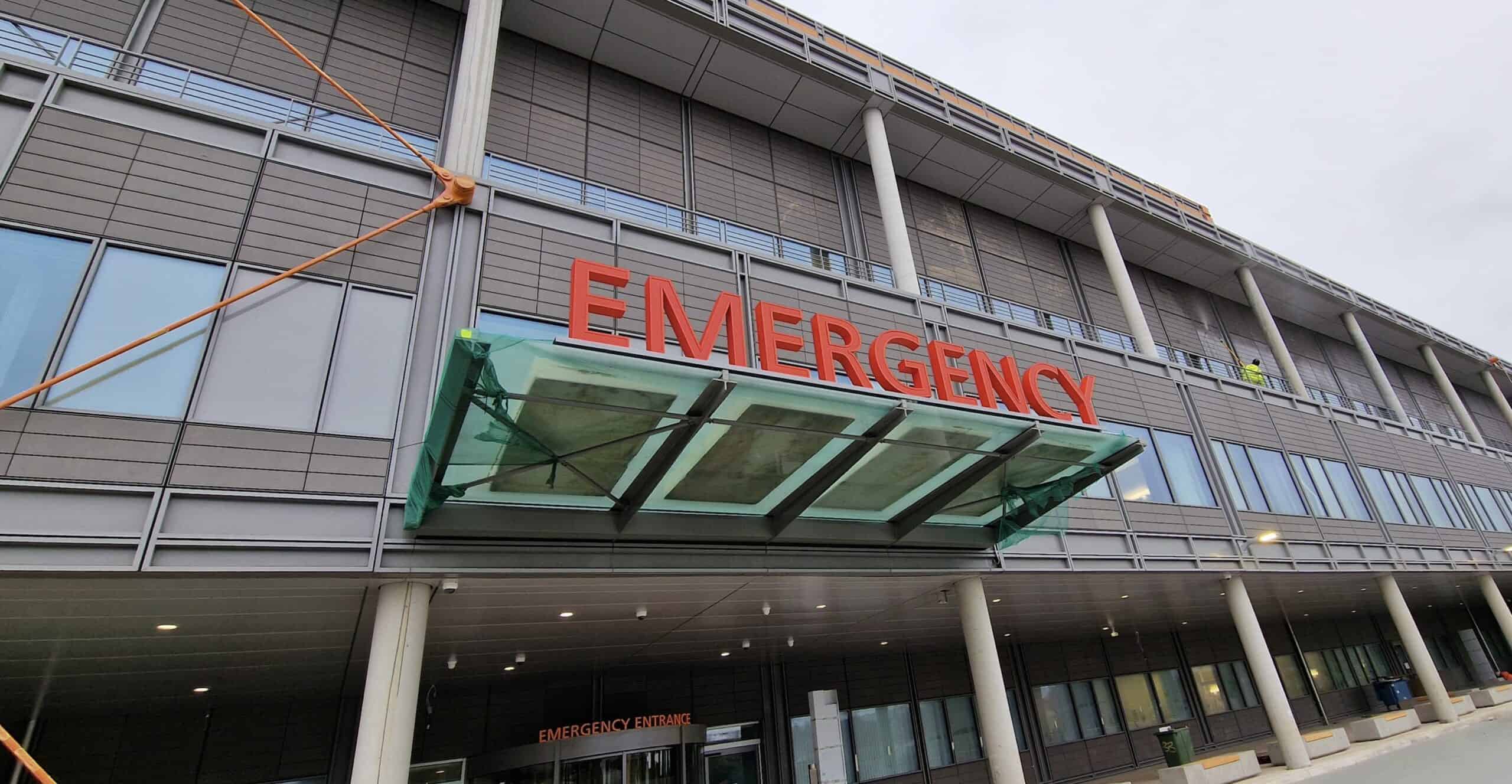 Patients who have life threatening emergencies, please use the Midland Metropolitan University Hospital A&E which has replaced the A&E departments at City Hospital and Sandwell Hospital.
The Midland Metropolitan University Hospital has:
- 11 emergency, trauma and elective inpatient operating theatres with imaging and diagnostic services
- A separate children’s A&E entrance to provide them with a better and more calming experience and dedicated emergency department and assessment unit
- An adults-only A&E
By closing Sandwell Hospital A&E and City Hospital A&E, we have brought two emergency departments together to provide and more specialists under one roof.
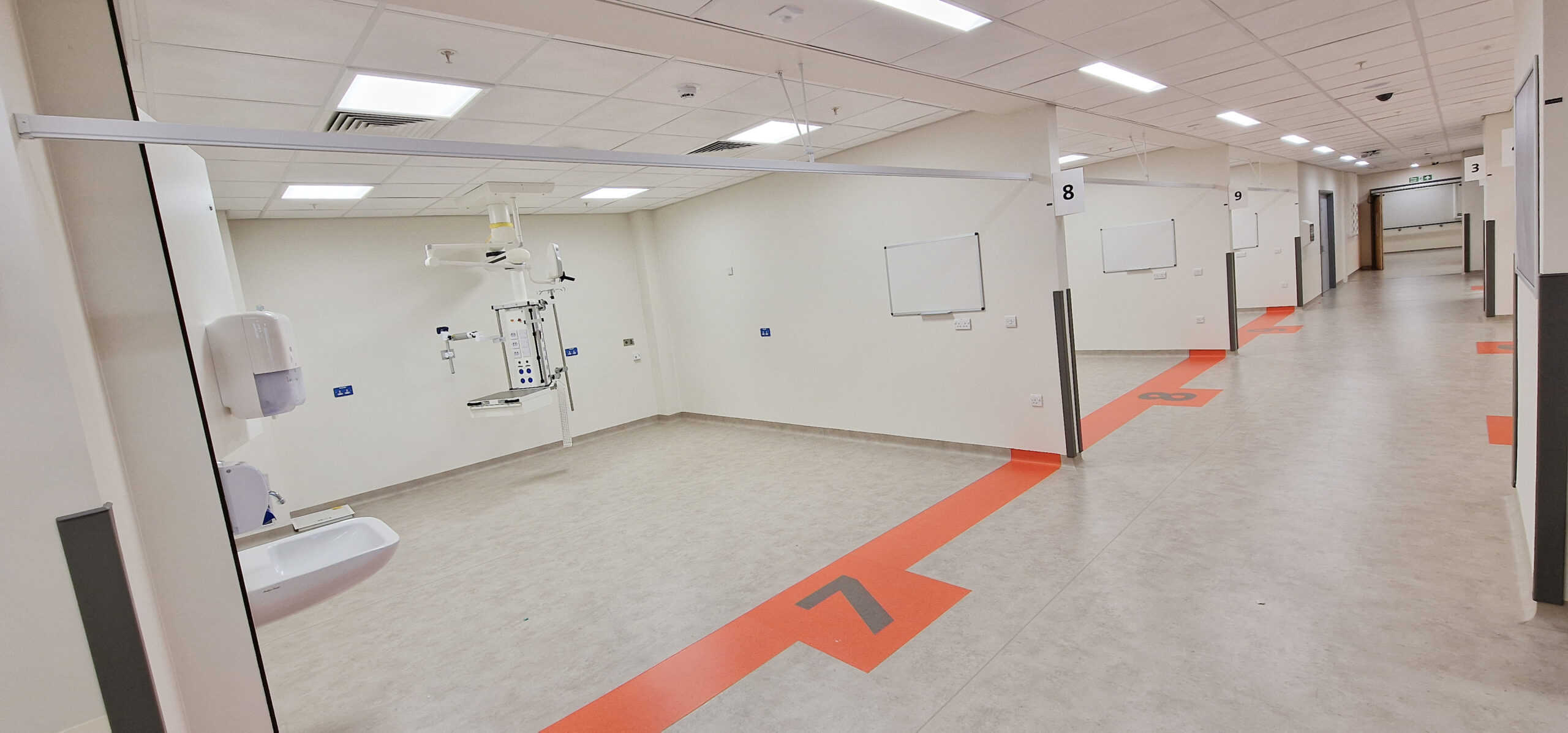
When to use A&E
A&E (also known as the Emergency Department) is for genuine, serious injuries and life-threatening emergencies only.
By knowing how and when to use our new A&E properly, we can ensure everyone gets the assistance they need, when they need it.
Life-threatening emergencies are different for adults and children, so it’s important you know when to go to A&E.
If you’re not sure what to do, NHS 111 will help you. You can either call 111 or go to nhs.111.uk
When it’s not a life-threatening emergency, Urgent Treatment Centres can help with many of the common problems most people go to A&E for.
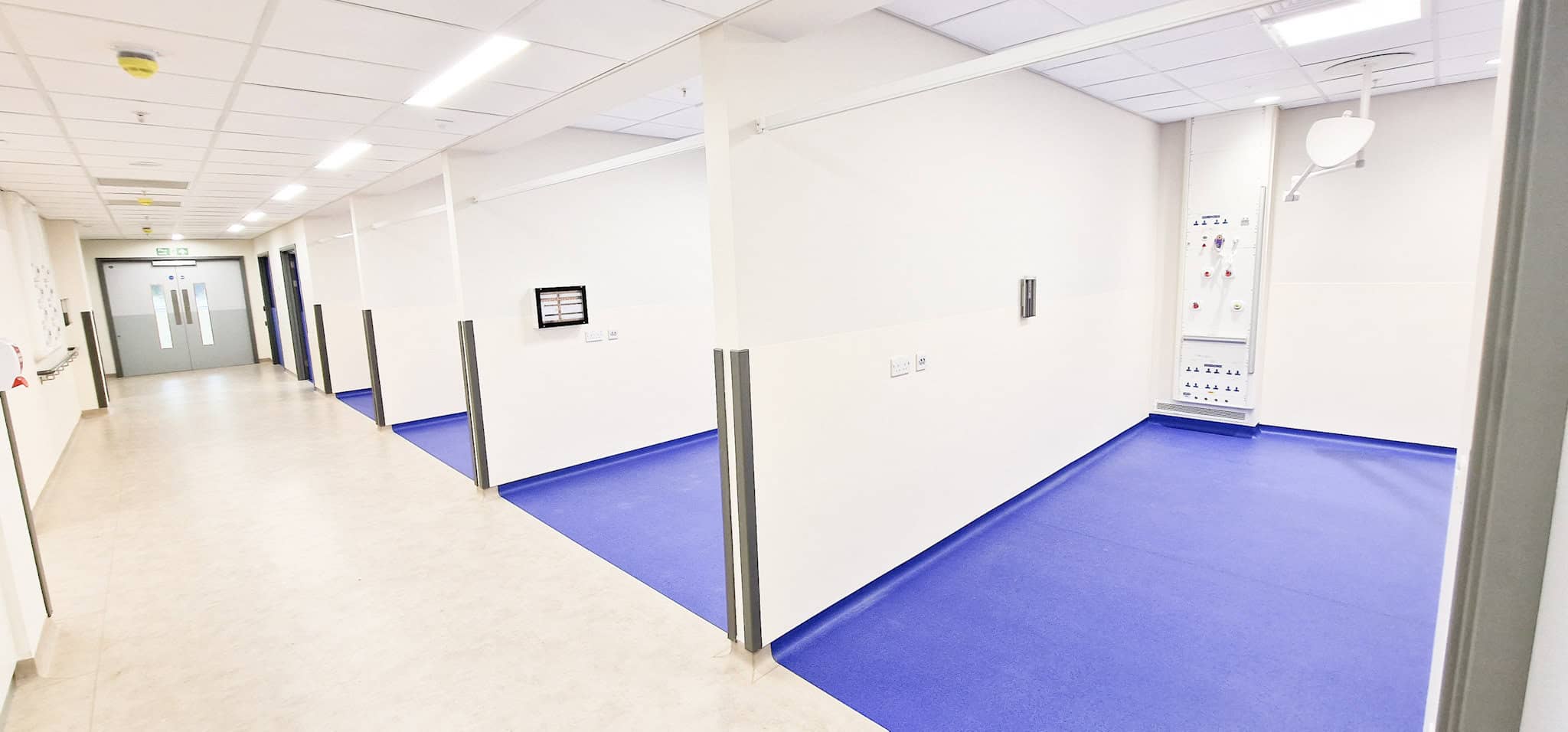 Adult A&E
You should not drive yourself to A&E.
Adults should go to A&E or call 999 for any of the following:
- signs of a heart attack
- signs of a stroke
- sudden confusion (delirium)
- suicide attempt
- severe difficulty breathing
- choking
- excessive blood loss
- severe injuries
- seizure (fit)
- sudden rapid swelling
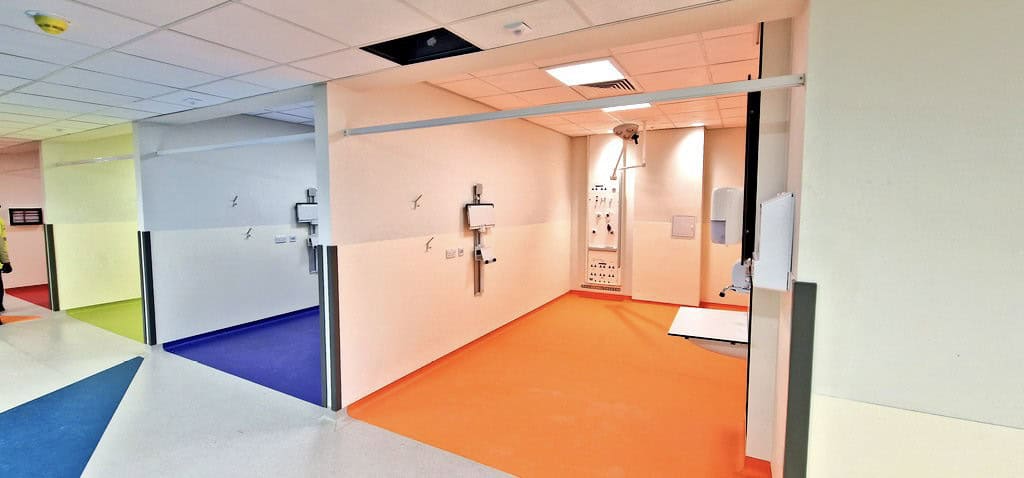 Children’s A&E
Call 999 or take your child to A&E if they are suffering from any of the following:
- seizure or fit
- choking
- difficulty breathing
- unable to stay awake
- blue, grey, pale or blotchy skin, tongue or lips
- limp and floppy
- heavy bleeding
- severe injuries
- signs of a stroke
- sudden rapid swelling
- sudden confusion
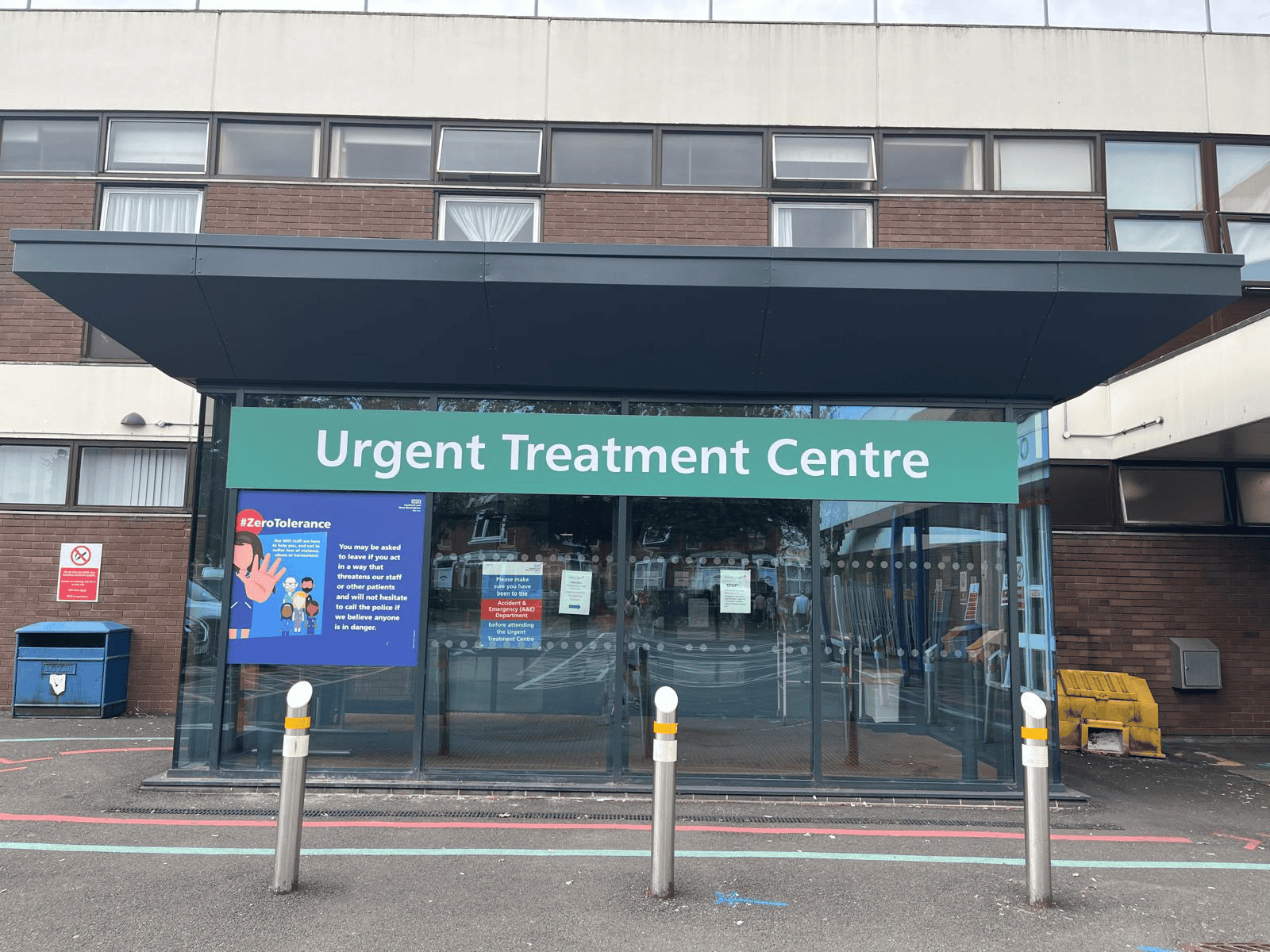 When to use an Urgent Treatment Centre
Urgent Treatment Centres (also known as UTCs) are for non-life-threatening emergencies including:
- suspected broken bones
- strains and sprains
- injuries cuts and bruises
- stomach pain, vomiting and diarrhoea
- skin infections and rashes
- high temperature in children and adults
- minor mental health concerns
If you need a prescription, one can be organised for you. Emergency contraception is also available.
By knowing when to use an Urgent Treatment Centre properly, you help keep A&E free for those who need it most.
Urgent Treatment Centres are usually staffed by nurses, they can diagnose and deal with many of the common problems people go to A&E for.
Find an Urgent Treatment Centre near you
Sandwell Urgent Treatment Centre
Lyndon
West Bromwich
West Midlands
B71 4HJ
Opening times: 8am – 11pm (minor injury service such as x-ray, is only avaiable 8am – 8pm) 365 days a year
Summerfield Urgent Treatment Centre
1st Floor Summerfield Primary Care Centre
134 Heath St
Winson Green
Birmingham
B18 7AL
Opening times: 8am – 8pm, 365 days a year