

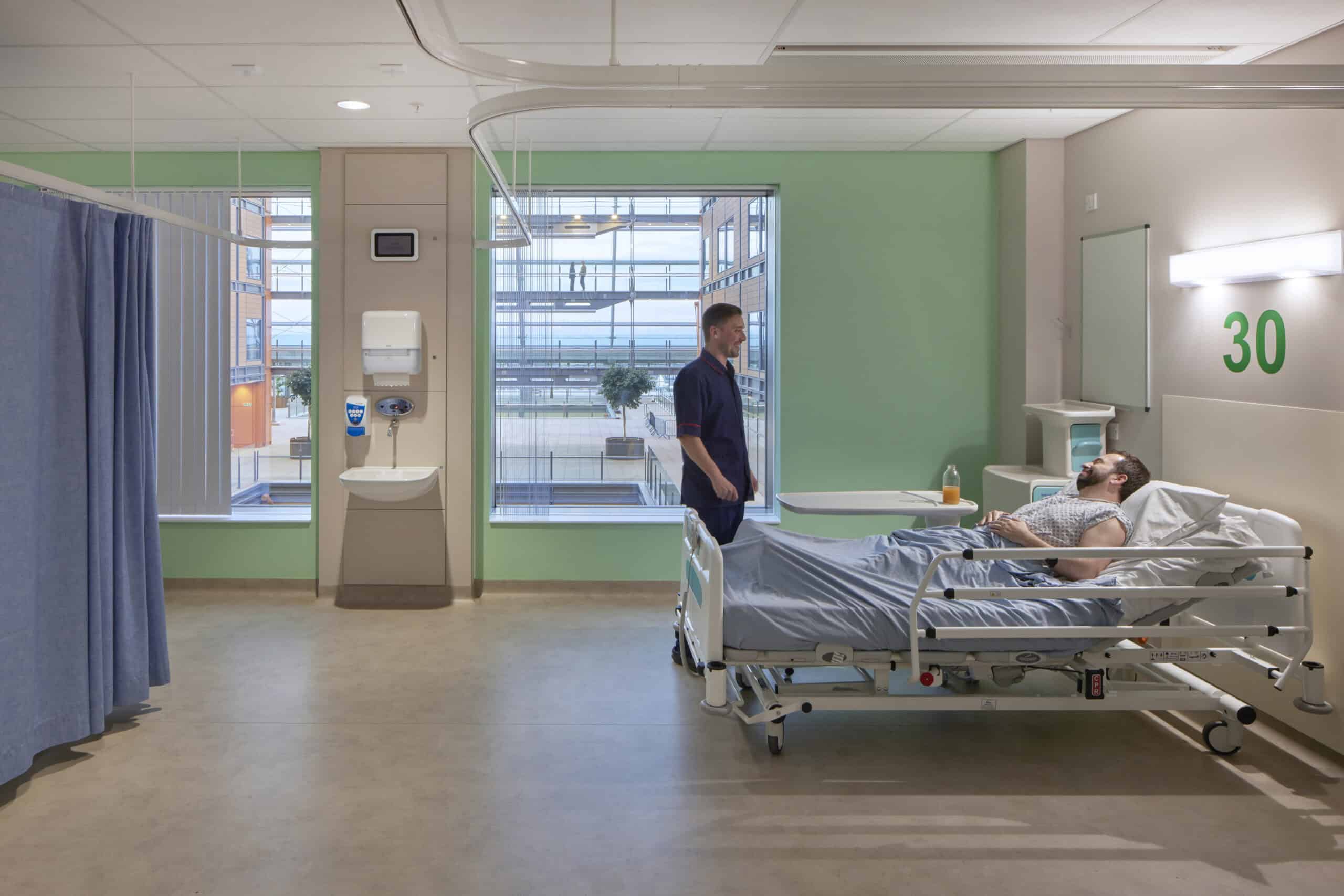
Sandwell and West Birmingham NHS Trust has reported major improvements in patient flow and safety following a Trust wide Ward Census carried out in early June.
The week‑long initiative came as the result of learning from the original census done immediately before the move into the new Midland Met hospital to ensure the safe move of patients from City and Sandwell hospitals to their new accommodation. The census brought together doctors, nurses, therapists, discharge teams and community services to review every inpatient and ensure they were receiving the right care in the right place. Staff were encouraged to consider whether each patient still needed an acute hospital bed, with a strong focus on safe, timely discharge and avoiding unnecessary delays.
Dr Sarb Clare, Consultant in Acute Medicine explained: “The benefits to patients was the driving factor for us. We saw the difference our census made during our major hospital move and wanted to replicate those benefits and importantly embed the learning in our normal day to day operation.
Taj Virk-Dhugga, Assistant Director for Urgent Care agreed: “During the census we saw more patients safely discharged creating 42 empty medical beds by the end of the week, and patients had shorter hospital stays across all specialities, helping patients return home sooner. With faster ambulance handovers due to more available beds, patients could be moved from ambulances into the hospital more quickly, indeed following the census we recorded no breaches (long waits) for a bed.”
Staff across the Trust described the census as energising and supportive. Ward teams said they felt more confident in discharge planning and more aware of services such as Virtual Wards, OPAT (outpatient parenteral antimicrobial therapy services provide intravenous antimicrobial treatment outside hospitals, administered by healthcare professionals or patients/carers) and Hospital at Home that can help patients leave hospital earlier and safely.
Many clinicians have asked for census weeks to take place more regularly, and the panel has suggested that a quarterly census would be achievable. The Trust plans to build on the success of the census by strengthening links with Imaging, Pharmacy and Social Services, and by increasing the use of community‑based alternatives to hospital care.
Diane Wake, Group Chief Executive commented: “The census has demonstrated remarkable results in just one week, showing the power of clinically led decision‑making to improve patient flow and safety. By providing both challenge and reassurance, we can ensure teams make confident decisions that put patients first.”
The impressive results have already excited the interest of other acute Trusts across England, with the learning shared through clinical networks.