

- Number of patients waiting for treatment in the Black Country falls by more than 7% in a year
- More than six in 10 patients now treated within the 18 week target – up by 4 percentage points in a year.
- While number of patients waiting over a year falls by more than 40% across the Midlands, compared to 29% nationally
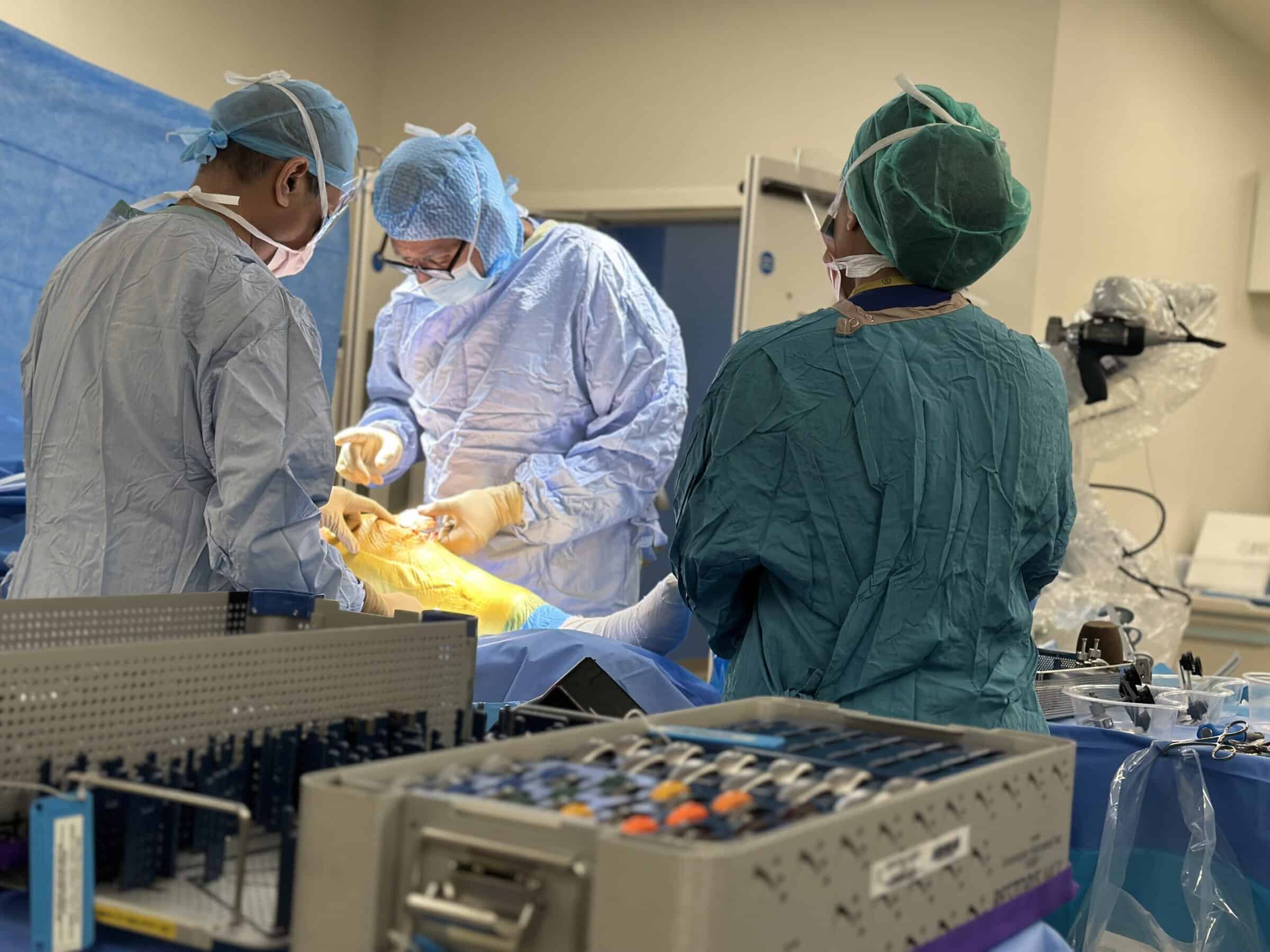
Patients waiting for planned surgery in the Black Country are being treated faster due to improvements to local NHS services.
A new interactive dashboard launched this week allows people to see waiting times in local hospitals across England, and track the progress of local systems working to improve the rate of treatment.
The new platform shows how the number of people waiting for treatment in the Black Country has fallen by more than seven per cent, while the number of patients waiting longest (over a year or more) has fallen by over 56 per cent in a year.
The progress came despite the NHS’s busiest ever year, with 431,000 attendances in to Midlands A&E departments in December alone.
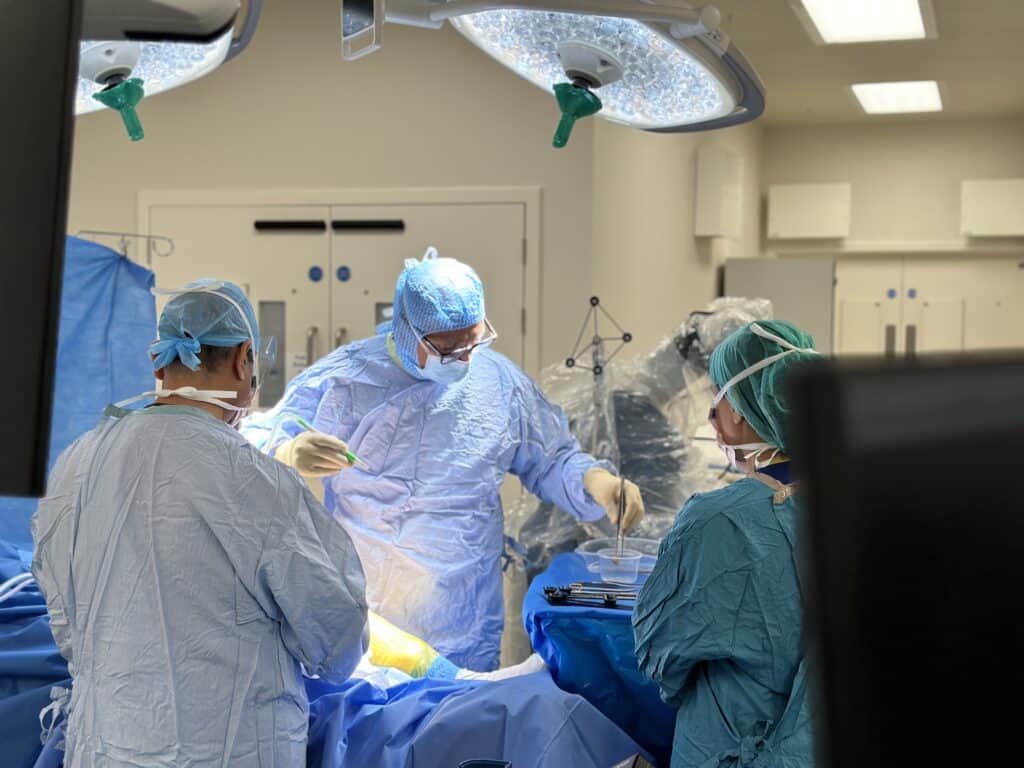
Five robotic surgeries in a single day
Sandwell and West Birmingham NHS Trust has slashed the number of patients waiting longer than a year for treatment by almost 79% since November 2024 and reduced the overall number of patients waiting for surgery by almost 10%.
Dr Subash Sivasubramaniam Divisional Director Surgical Services explained: “By focusing on our surgical pathway in hernia and gallbladder surgery, we carried out a HIT list (High Intensity Theatre) for elective patients, and more than doubled the number operated on by robotic-assisted surgery in one day. Of the eight patients operated on, five underwent robotic-assisted surgery.
Physiotherapist Stephen Miller, 41, underwent a hernia repair. He said: “I was delighted to have been put on this list for surgery, as my hernia was quite uncomfortable at times and required management. I know surgery using robotics is becoming more common now, and in my field of work I know lots of people who are familiar with this type of surgery, so I wasn’t worried about it at all.”
Twenty-nine-year-old Afshia Iqbal from Birmingham also underwent robotic-assisted surgery to remove her gallbladder. She said: “I’ve had pain for a number of years and was told I needed surgery, so I’m really happy to be part of this HIT list meaning I don’t have to wait for the care I need.”
Group Chief Executive Diane Wake added: “By delivering weekend surgical lists, we can maximise the number of patients we treat and make significant improvements to elective care and waiting times. And by combining with robotic-assisted surgery, we are also meeting recommendations outlined in NHS England’s Ten-Year Health Plan to utilise surgical robots as standard practice within theatres.”
The Trust now has eight surgeons across two specialities who are trained in performing these procedures, and there are plans to carry out more HIT lists using the state-of-the-art technology in the future.
While waiting lists across the country have fallen by 2.3% since last year, the Midlands region has seen waits fall by over 6.5% over the same period – almost three times the national average, and more than double the next best regions (South East & North West – 3.1%).
The Dashboard has been launched on the anniversary of the government’s elective reform plan which set out a range of measures designed to improve the delivery of elective care and tackle NHS waiting list backlogs.
Dr Jess Sokolov, Regional Medical Director for the NHS England in the Midlands, said: “We’re committed to reducing waiting times for local patients not just because faster treatment offers massive improvements to quality of life. But also because we see fewer patients needing urgent and emergency care when their health deteriorates waiting for much-needed surgery.
“Across the Midlands we have been working to bring diagnostic and planned services into more convenient community locations meaning hospitals can focus on patients who need urgent and emergency care.”
The Elective Reform Plan launched on 6 January 2025 includes several key measures to achieve this goal:
Empowering patients – giving them more choice and control over their treatment.
- Reforming delivery – working more productively and consistently to deliver more elective care.
- Delivering care in the right place – ensuring patients receive care in the right setting.
The plan also focuses on transforming diagnostic pathways, expanding the use of Community Diagnostic Centres (CDCs), creating new surgical hubs, and enhancing the NHS app to give patients greater choice and control over their treatment.
The government aims to cut waiting times to 18 weeks by the end of this Parliament and to treat 92% of patients within 18 weeks by 2029.