

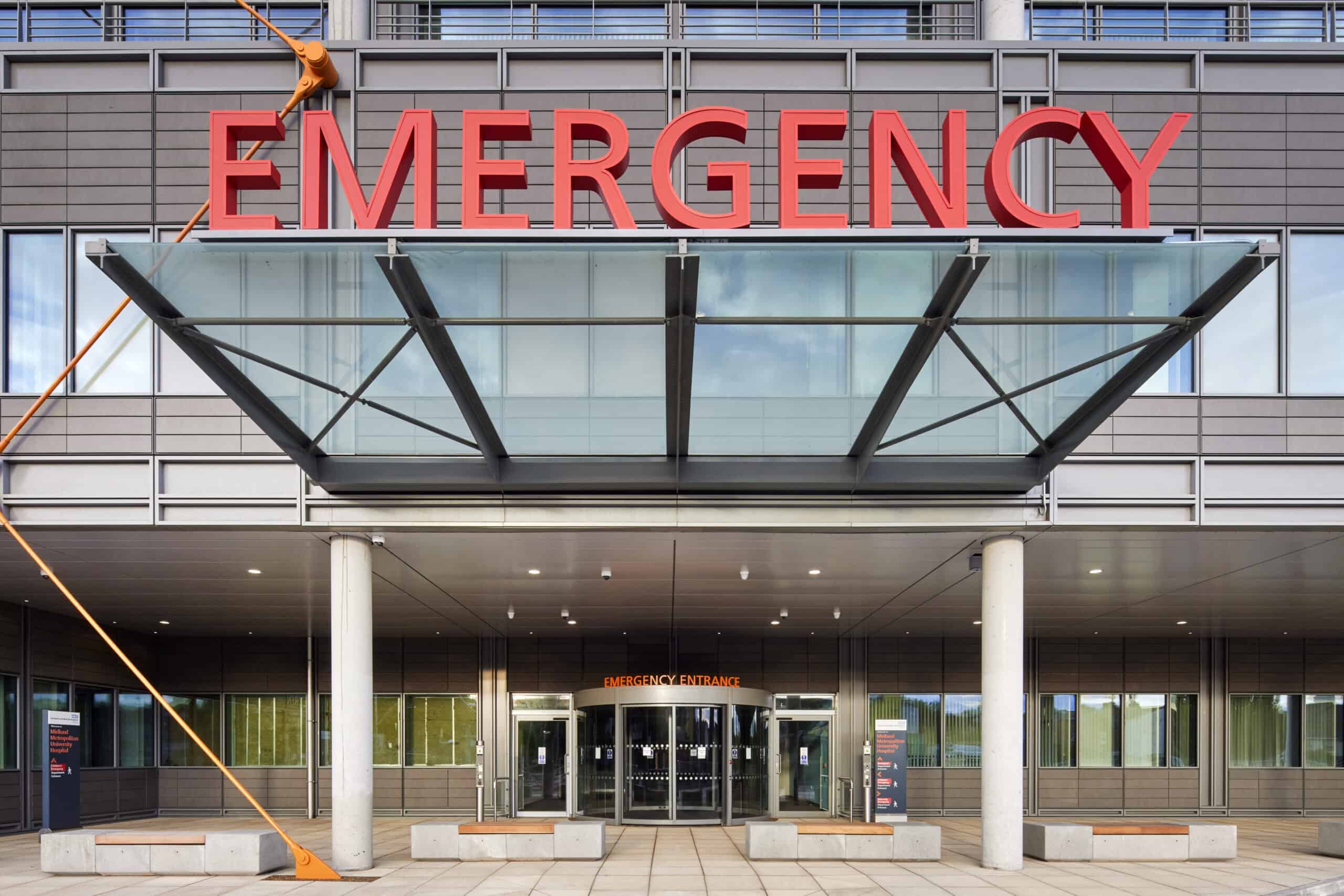
A community partnership at Midland Metropolitan University Hospital is helping to create a calmer emergency department, reduce the risk of violence and aggression towards NHS staff, and provide more appropriate support for people who frequently attend the A&E department.
Trained volunteers from Newbigin Community Trust have been working alongside emergency department teams to provide additional support to patients and relatives waiting to be seen. The volunteers come from a wide range of backgrounds including social workers, NHS, housing, local charities and local people. They offer a reassuring, non-clinical presence in the waiting area, talking to patients, helping them understand what is happening and identifying people who may need additional practical or emotional support.
An evaluation of the initiative has found that the approach is benefiting both patients and staff. For patients, particularly those facing a lengthy or anxious wait, having someone available to listen, explain and reassure can help make the emergency department feel calmer and less stressful. Patients describe feeling acknowledged and supported rather than forgotten while waiting for clinical care. Importantly, the volunteers can also help defuse situations before frustration escalates into challenging behaviour or aggression.
The A&E departments can be a demanding environment, with staff caring for people who may be frightened, distressed, in pain or frustrated about waiting. Having volunteers able to spend time with patients, provide reassurance and respond to non clinical concerns means clinical colleagues can focus more of their attention on assessing, treating and caring for patients.
The Newbigin team support staff with de-escalation and help maintain a calmer waiting room, potentially reducing the risk of incidents of violence and aggression. The partnership is also helping the emergency department respond differently to people who attend hospital frequently. For some patients, repeated visits to A&E can be linked to wider social and personal challenges, including homelessness, isolation, poor mental health or substance dependency. While clinical teams must concentrate on a person’s immediate healthcare needs, Newbigin volunteers have more opportunity to listen and understand some of the underlying problems that may have brought an individual to hospital.
They can help people access practical support and community services, with the aim of tackling some of the issues contributing to repeat attendance. This has the potential to benefit the individual while also easing pressure on the department by helping ensure that people receive support from the services best placed to meet their wider needs.
Michael Brennan A&E matron at Sandwell and West Birmingham NHS Trust, said: “Our emergency department is there for people when they need urgent medical care, but we know that people often arrive frightened, anxious or with complex needs that go far beyond their immediate clinical condition. The Newbigin volunteers give something incredibly valuable, their time. By talking to people, listening to their concerns and helping them understand what is happening, they can reduce anxiety and frustration and help us maintain a calmer environment for everyone. That is important for our patients, but it also supports our colleagues. Anything we can do to reduce the potential for challenging behaviour, violence or aggression and allow our clinical teams to concentrate on delivering care is hugely valuable.”
Dottie Tipton from Newbigin Community Trust, added: “Sometimes what someone needs is a person who can listen and understand what is happening in their life outside hospital. By working alongside NHS colleagues, our volunteers can provide that additional support and, where appropriate, help connect people with services in the community. That can make the experience of being in A&E better while helping people address some of the issues that may be bringing them back to hospital repeatedly.”
The initiative demonstrates how NHS and community organisations can work together to address pressures facing emergency services, improving patients’ experience while creating a safer, more supportive working environment for NHS colleagues.