
Pregnant women, new mothers and families with newborn babies are being urged to take extra precautions during periods of extreme heat, as health experts warn of the serious risks high temperatures can pose to both mother and baby.
At the Midland Metropolitan University Hospital, during the months of June and July, 938 babies have been born during the unprecedented heatwave period.
Pregnancy increases vulnerability to heat, making it harder for women to regulate their body temperature because of the additional physiological demands placed on their bodies. Even a single day of extreme heat can put extra strain on both mother and baby, increasing the risk of becoming unwell. Research has shown that heatwaves are linked to an increased risk of premature birth and other serious pregnancy complications.
Newborn babies are also particularly vulnerable because they cannot regulate their body temperature effectively and can overheat very quickly. Parents and carers are encouraged to look out for warning signs including:
- Being unusually sleepy
- Feeding poorly
- Having fewer wet nappies than usual
- Rapid breathing
- Feeling unusually hot
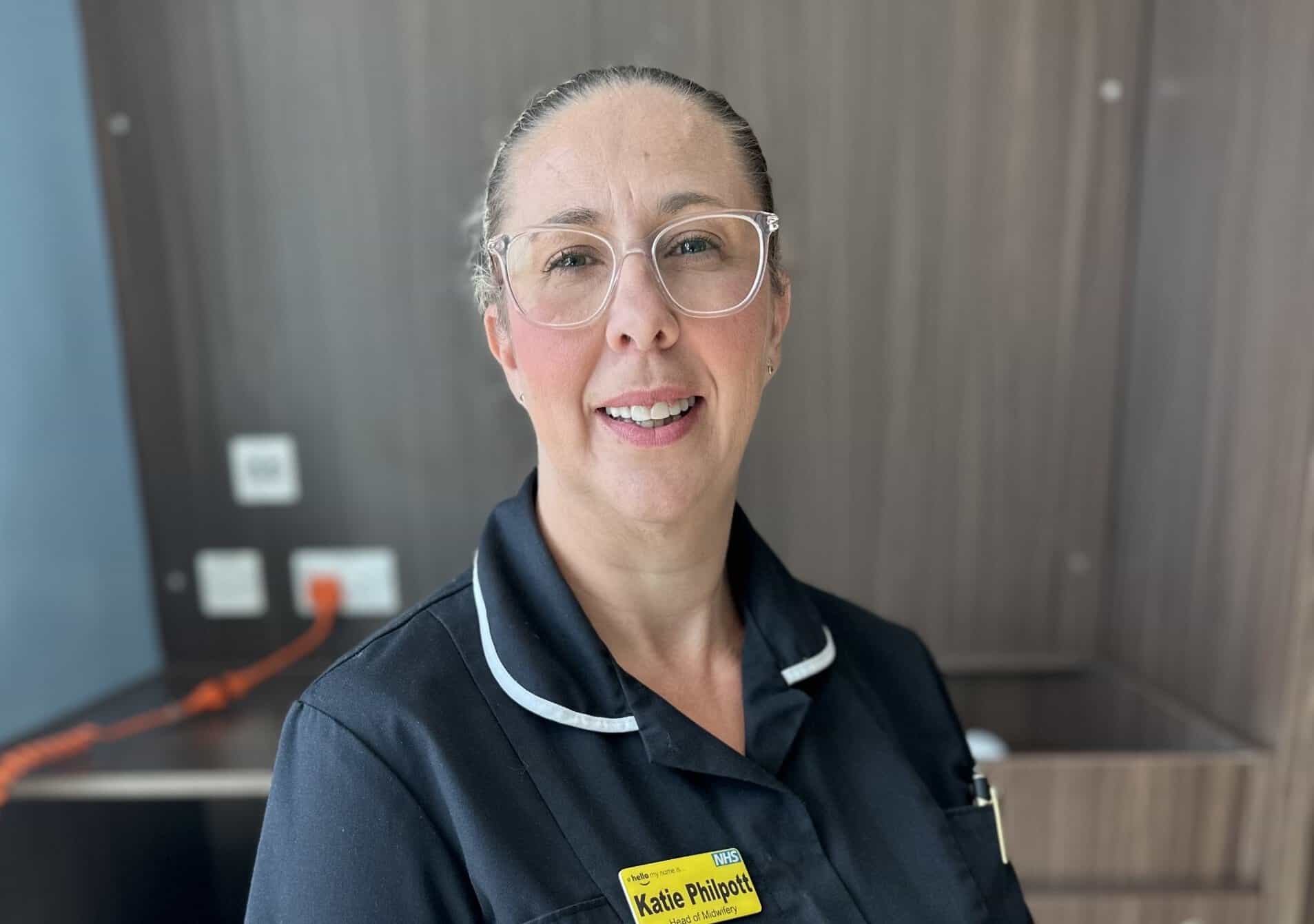
The first week of life is one of the most heat-sensitive periods a person will ever experience. For babies under six months old, breast milk remains the safest and most effective way to keep them hydrated during hot weather. Katie Philpott, Head of Midwifery at Sandwell and West Birmingham NHS Trust, explained: “Extreme heat is not just uncomfortable, it can pose a serious risk to pregnant women, new mothers and newborn babies. During pregnancy, the body is already working harder and coping with higher temperatures can become much more difficult, particularly during a heatwave.
“We know that hot weather can increase the risk of complications in pregnancy, including premature birth, so it is important that pregnant women take heat warnings seriously and take steps to keep cool and well hydrated.
“Newborn babies are especially vulnerable because they cannot regulate their temperature in the same way as older children and adults. Parents should keep a close eye on their baby, particularly during the hottest parts of the day, and seek advice if they are concerned about symptoms such as poor feeding, unusual sleepiness or fewer wet nappies.”
“The good news is that most heat-related illness can be prevented. By staying hydrated, keeping out of the sun during the hottest hours and knowing when to seek help, families can help protect both mother and baby throughout periods of extreme heat.”